What Headphones Work With PlayStation Portal
Discover which headphones work with PlayStation Portal, covering wired, USB-C, and Bluetooth options, latency considerations, and setup tips. A data-driven guide by Headphones Info.


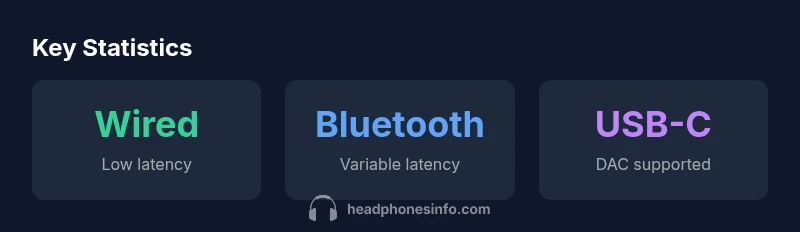
The PlayStation Portal supports wired headsets via 3.5mm and USB-C audio, so most wired headphones work out of the box. Bluetooth headphones can also work, but latency varies by headset and firmware, which can affect in-game audio and mic sync. For reliable gaming, prioritize wired or USB-C headsets with a clear mic and low-gain passthrough.
What headphones work with playstation portal: framing the question
When you start exploring options for PlayStation Portal audio, the central question often boils down to connection type and latency. This guide addresses what headphones work with playstation portal by separating wired from wireless solutions and highlighting how latency, mic quality, and comfort influence your gaming experience. According to Headphones Info, the best outcomes usually come from wired connections or USB-C headsets that pass audio cleanly through the Portal’s circuitry. For many players, a reliable wired headset means less lip-sync drift and more consistent mic capture during intense multiplayer moments. This article uses a data-driven lens to compare options, provide practical setup tips, and help you make an informed purchase.
Connection methods: USB-C, 3.5mm, and Bluetooth
The Portal supports several audio pathways. A standard 3.5mm jack on a wired headset works well for most players who want plug-and-play simplicity and broad microphone compatibility. USB-C wired headsets can leverage any DAC or built-in digital-to-analog conversion the Portal offers, potentially yielding crisper highs and more robust mic performance. Bluetooth headsets are also usable, but latency and codec negotiation vary widely between devices and firmware. If your goal is minimal delay in fast-paced games, wired options are typically the safest bet, with USB-C wired headsets offering an excellent balance between latency and audio fidelity. Always verify that your headset’s mic and controls are accessible through Portal’s UI before pairing.
Wired headphones: Pros, cons, and how to pick
Wired headphones deliver consistently low latency, eliminating most lip-sync concerns during gameplay. They also avoid battery drain, which is a real consideration for long gaming sessions. When choosing wired headphones for PlayStation Portal, look for a comfortable fit, reliable mic performance, and compatibility with both 3.5mm and USB-C connections if possible. If you own a headset with a detachable mic, test the mic passthrough to ensure teammates can hear you clearly. Remember that some cheaper DACs in USB-C cables can introduce hiss or imbalanced sound; prioritize well-reviewed USB-C wired options with a clean impedance match for gaming.
Wireless headsets: Latency, mic quality, and pairing tips
Wireless headsets bring freedom of movement, but latency is the trade-off. Seek headsets advertised with low-latency mode or gaming profiles, and verify that your Portal firmware supports those features. Mic quality on wireless models varies significantly; select headsets with a dedicated boom mic or clear built-in mic and test it in party chat to confirm clarity. When pairing, start with a direct device-to-Portal connection, ensure firmware is up to date, and avoid multi-device Bluetooth juggling during gaming. If lip-sync issues appear, switch to a wired fallback temporarily.
How to choose: criteria and practical steps
To pick the right headset for PlayStation Portal, define your priorities: latency, microphone quality, comfort, and price. For competitive gaming, wired or USB-C is usually best. If you require wireless convenience, prioritize headsets with low-latency gaming modes and ensure their codecs are supported by your Portal setup. Read user reviews emphasizing real-world latency and mic performance with the Portal, and check whether the headset supports any pass-through features for Chat or party audio. Finally, factor in ear pad material and headband adjustability for long sessions.
Setup, testing, and troubleshooting for best results
After selecting a headset, run a quick test: connect the device, update firmware, and confirm mic input is active in the Portal’s settings. Listen critically for lip-sync alignment and verify that in-game audio is balanced with chat volume. If you encounter interference with Bluetooth, try another headset with a different codec or switch to wired temporarily. For microphonic issues, re-seat the microphone, check physical connections, and test the mic on a PC to isolate Portal-specific factors. Regular firmware updates from Sony and headset manufacturers can improve compatibility over time.
Comparison of headset connection types for PlayStation Portal
| Connection Type | Latency Qual | Notes |
|---|---|---|
| Wired 3.5mm | Low | Direct analog path; broad microphone support |
| USB-C wired | Low to moderate | Supports DACs; good for higher fidelity |
| Bluetooth | Moderate to high | Latency varies by codec; test before gaming |
| USB-C (digital) | Low | Depends on headset and Portal firmware |
People Also Ask
Do all wired headsets work with PlayStation Portal?
Most wired headsets with a standard 3.5mm jack or USB-C connection will work, but some models may require adapters or specific firmware. Always verify that the headset mic and controls are accessible through the Portal.
Most wired headsets will work, but check compatibility and firmware before buying.
Will Bluetooth headsets work with PlayStation Portal for gaming?
Bluetooth headsets can work, but latency can be noticeable in fast-paced games. If you value timing, wired or USB-C options are typically preferable.
Bluetooth can work, but you may notice some lag.
Which codecs should I look for in a wireless headset?
Seek headsets with low-latency gaming modes and support for common codecs. Availability varies by model, so verify codec support before purchase.
Look for low-latency gaming modes in the headset.
Can I use the Portal microphone with any headset?
Most headsets with an integrated mic should work, but compatibility depends on passthrough and Portal firmware. Test mic input in the Portal settings.
Usually yes, but test to be sure.
Are there latency differences between USB-C wired and 3.5mm wired headsets?
Wired connections typically offer very low latency, with small differences arising from DAC quality and impedance matching. Check headset specs and firmware support.
Wired is fast; check the headset specs.
“Latency and compatibility hinge on connection method and firmware; wired options generally deliver the most reliable audio for gaming on the Portal.”
What to Remember
- Prioritize wired or USB-C for lowest latency
- Verify mic quality and passthrough before buying
- Test lip-sync and chat balance in-game
- Update Portal firmware for best compatibility
- Choose headsets with comfortable fit for long sessions