Why Do My Headphones Keep Coming Out? Quick Troubleshooting
Urgent guide to fix headphones that slip out. Learn root causes, fast seals, ear tip choices, and when to upgrade for a secure fit.


According to Headphones Info, most slip-outs come from a poor seal or improper fit, especially with in-ear models. Re-seat the buds, pick the right size ear tips, and check foam tips for wear. If stability remains poor, try a different tip material or size while avoiding over-tightening. See Headphones Info's full guide for a step-by-step approach.
Why do headphones keep coming out? Root causes
If you’ve ever asked yourself, in plain terms, why do my headphones keep coming out, the answer often comes down to fit and seal. For in-ear designs, the tip must create a tight seal against the ear canal without causing discomfort. Oils from the skin, ear wax, and even tiny changes in your ear shape throughout the day can degrade that seal. Movement—especially during workouts or while walking on rough terrain—forces the buds to dislodge. Headphones Info highlights that the majority of slips are due to fit issues rather than a defect in the hardware. The fix is usually straightforward: select the correct tip size, ensure the tip is clean, and re-seat the buds properly. If the seal remains unstable, you may need a higher-friction material, a different tip geometry, or an alternative design that better matches your ears. This is the common scenario that explains most experiences with slipping headphones.
Fit and ear anatomy: what changes stability
The shape of your ear canal, the thickness of the surrounding tissue, and the concha angle all influence how securely headphones stay put. People with shallow canals or a wider concha can experience more movement than those with deeper, tighter passages. Age, earwax buildup, and even exercising style (like rapid head movements) can alter grip. When evaluating why your headphones slip, consider whether your ears have an unusually flat canal or an atypical ear shape. In some cases, a custom or shaped tip can dramatically improve hold. Headphones Info recommends trying multiple tip geometries to identify a model that best matches your anatomy.
Ear tips: sizing, material, and tips for a secure seal
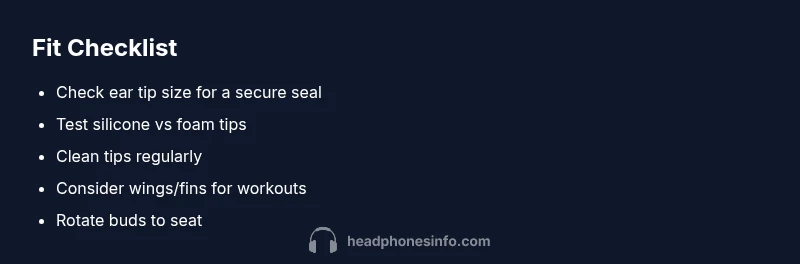
Ear tip material matters as much as size. Silicone tips are firm and long-lasting but can feel slippery for some users. Foam tips expand inside the canal for a more secure seal, often improving retention during motion. Start with the smallest, medium, and largest sizes offered by the manufacturer, then test with both silicone and foam options if available. Keep ear tips clean to prevent deterioration of the seal, and replace worn tips promptly. If you experiment with tips and still slip, the issue may be related to ear anatomy rather than the tips alone. For many users, a foam tip plus a slightly larger silicone backup can provide the best combination of seal and comfort.
Headphone type matters: in-ear, on-ear, and over-ear differences
Not all headphones are created equal when it comes to staying in place. In-ear models rely heavily on a good tip seal, while on-ear and over-ear designs depend more on headband tension and clamping force. If you work out vigorously, on-ear or over-ear models may stay put more reliably than small-in-ear buds. Some users find custom tips or winged tips help on-the-run stability. If slipping is a property of your current design, consider trying a different category that better suits your activity level.
Cleaning and maintenance to improve grip
Dirt, sweat, and oil can reduce friction between the ear tip and your ear canal. Regular cleaning of tips and nozzles helps maintain grip and seal. Gently wash silicone tips with mild soap and water; replace foam tips when they become compressed or discolored. Avoid using harsh solvents that can degrade plastics or the tip material. A quick weekly wipe-down can prevent wax buildup that reduces retention. Investing a few minutes in maintenance pays off with fewer slip-outs.
Quick checks you can run to diagnose fit
Do a dry fit without playing audio to observe movement with simple tasks: nodding, talking on a call, and walking on stairs. If the buds slip during the most basic motion, it’s likely a tip or ear anatomy issue rather than a driver problem. Try re-seating, then switching to a different tip size/material and re-testing. If movement persists across tip types, you may need a different headphone shape optimized for your ear. Headphones Info notes that these quick checks help narrow down whether you should pursue alternative tips or a different headphone style.
When to upgrade or replace
If you frequently experience slipping despite trying multiple tips and fits, it might be time to consider a model designed for higher retention, such as earbuds with wing tips or a higher clamping force. Upgrading to a model with improved ergonomic geometry or memory-foam tips can dramatically improve stability. Remember to balance fit with comfort; a secure fit should not cause pain or pressure after short use.
Prevention tips for long-term stability
Regularly clean tips, replace worn components, and store headphones properly to avoid deformation. Use tips that match your ear shape and activity level, and consider adding wings or fins if you’re active. Keep an eye on the fit during seasonal changes when ears can feel different due to temperature or humidity. Consistent maintenance and choosing the right design are the most reliable ways to prevent future slips.
Steps
Estimated time: 15-25 minutes
- 1
Inspect ear tips for wear
Remove tips and examine for cracks, compression, or discoloration. Worn tips lose grip and should be replaced. If you see damage, replace immediately and clean the nozzles before reattaching.
Tip: Always replace damaged tips to restore seal. - 2
Try different tip sizes
Test small, medium, and large tips to find the size that creates the tightest seal without discomfort. The goal is a secure feel with minimal movement during activity.
Tip: Start with the tip size that feels snug but not painful. - 3
Test with foam vs silicone
If available, compare foam against silicone tips. Foam tends to offer a more adaptive seal in many ears, especially during motion. Don’t mix tip brands unless you know they fit your model.
Tip: Foam tips often require a gentle break-in period. - 4
Re-seat and twist slightly
Place the buds in the ear and rotate them a few degrees to lock into place. This helps align the tip’s seal with the ear canal geometry and reduces tilt that causes slipping.
Tip: Keep movements smooth to avoid discomfort. - 5
Augment with wings or fins
If slipping continues during workouts, consider tips with wings or fins designed to grip the outer ear and reduce movement.
Tip: Wings are especially useful for vigorous activities. - 6
Test in real-use scenarios
Wear the headphones for a few minutes of typical activity and observe if they stay put. If they still slip, you may need a different design or model with a secure fit.
Tip: Document what activity causes slips to guide future purchases.
Diagnosis: Headphones slip out during movement or workouts
Possible Causes
- highPoor tip seal or incorrect tip size
- mediumUnfavorable ear canal shape or ear anatomy
- lowWorn or degraded ear tips
Fixes
- easyTry different tip sizes/materials and clean tips
- easyReplace worn tips with manufacturer-recommended versions
- mediumConsider winged/ergonomic tips or a different headphone design for better retention
People Also Ask
Why do in-ear headphones slip out during workouts?
Slips during workouts are often caused by sweat and movement that break the ear tip seal. Try winged tips or foam tips, and ensure you have the correct size. If slipping persists, consider a model designed for active use.
During workouts, sweat and rapid movement can break the seal. Use winged or foam tips and check tip size; if it still slips, look for an active-use design.
Can ear tips be changed to improve fit?
Yes. Switching to a different size or material (silicone vs foam) can dramatically improve fit and retention. Always match tips to your headphone model and clean them regularly.
Absolutely. Different sizes or materials can improve fit; clean tips regularly.
Do over-ear headphones slip out as well?
Over-ear designs can slip if clamp force is too loose or if the ear cushions lose their grip. Check for proper clamp tension and replace worn cushions if needed.
Over-ears can slip if the clamp is too loose or cushions are worn; adjust or replace.
What if foam tips wear out quickly?
Foam tips compress with use and may need replacement more often. Replace them when they lose elasticity or become uncomfortable.
Foam tips wear out with use; replace when they lose elasticity.
Is there a difference between silicone and foam tips for grip?
Yes. Foam tips often provide a more secure seal for many ears, while silicone tips offer durability. Your experience may vary, so try both.
Foam can seal better for many ears; silicone lasts longer. Try both to see what works.
When should I consult a professional or replace my headphones?
If slips persist across multiple tip configurations and activities, consider upgrading to a model with a more ergonomic fit or seek product guidance from a specialist.
If it still slips after trying tips and designs, upgrade or consult a specialist.
Watch Video
What to Remember
- Check fit before buying a new pair.
- Experiment with tip size and material for best seal.
- Maintain tips and replace worn parts promptly.
- Consider design changes for high-motion activities.