Best Wireless PC Headphones: A 2026 Buying Guide for Gamers and Listeners
A data-driven comparison of wireless PC headphones, covering latency, battery life, sound quality, mic performance, comfort, and compatibility to help PC shoppers choose confidently in 2026.


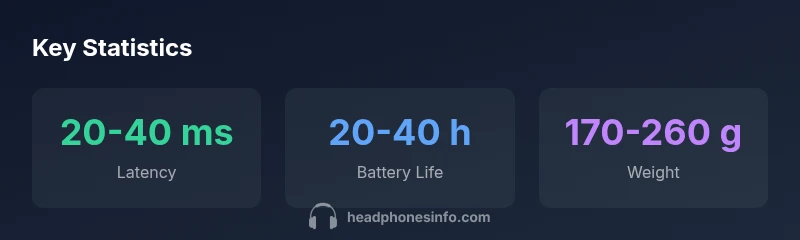
According to Headphones Info, the best wireless PC headphones balance low latency with comfort and long battery life. For PC use, latency around 20-40 ms is typical, while battery life often falls between 20 and 40 hours depending on features. Look for reliable USB dongles, strong mic quality, and durable build to suit gaming or everyday listening.
Why wireless PC headphones matter for your setup
For headphones wireless pc setups, the choice you make affects not just how you hear games and music, but how you communicate with teammates and colleagues. A clean, responsive wireless link reduces cable clutter on a crowded desk and minimizes the risk of wear from frequent plug-in or movement. In this section, we examine why the right wireless PC headphones matter and how they fit into a modern workstation or gaming rig. The Headphones Info team found that users who prioritize comfort, stable connections, and a clear microphone tend to enjoy longer sessions with fewer interruptions. This is especially true for long gaming marathons, multi hour calls, or streaming sessions where audio fidelity and voice clarity are critical.
As you compare head phones wireless pc options, consider your typical use case: competitive gaming may demand lower latency and more precise positional cues, while casual listening prioritizes comfort and battery life. The goal is to align the headphones with your primary activities and your budget, while maintaining cross device compatibility so you can switch from PC to laptop or tablet without swapping gear.
Latency, codecs, and connection stability
Low latency and stable connectivity are the core requirements for any wireless PC headphone setup. Latency is the delay between your input and what you hear, which matters most in fast paced titles or calls. Common wireless PC headphones use USB dongles that operate in a near line of sight, offering significantly lower latency than standard Bluetooth. In practice, many models land in the 20-40 ms range, a level generally considered adequate for gaming and video calls. Codecs also influence perceived audio quality and latency; SBC is common, but some models offer AAC or low latency codecs that improve synchronization. When evaluating head phones wireless pc, test for dropouts, jitter, and channel balance. Cross platform compatibility matters too, as you may need to use the same headset with a laptop, desktop, or console. The goal is a consistent, reliable link that preserves audio fidelity across devices.
Key features to look for in wireless PC headphones
Choosing the right wireless PC headphones hinges on several practical features. Battery life is a top concern for long sessions; look for real world ranges around 20-40 hours, not just marketing estimates. Comfort matters just as much as tech specs, since a heavy headset can cause fatigue after hours of use. A good microphone with noise reduction and a mute switch is essential for clear calls and streams. USB dongle availability and stability are convenient for PC use, especially in busy desks with wireless interference. Multipoint connectivity can be a major plus for those who switch between mobile devices and a PC. Software customization, including EQ and mic presets, can help tailor sound to your preferences. Finally, build quality and warranty matter for longevity, especially if you transport the headset or use it in a shared office space.
Gaming vs office vs casual listening: use-case breakdown
Different use cases drive different priorities for headphones wireless pc. Competitive gamers typically want the lowest possible latency, precise sound cues, and a lightweight design for long sessions. Office work values comfortable headbands, clear microphone performance, and reliable all day battery life. Casual listeners may prefer robust wireless range and good overall sound with simple plug and play. For content creation or streaming, mic quality and software EQ become more important. By mapping your primary activity to these priorities, you can narrow the field quickly and pick a model that matches your needs without overspending on features you won’t use.
How to compare models: a practical checklist
To compare head phones wireless pc effectively, start with a clear use case. List your must have features such as latency, battery life, and mic quality. Check for USB dongles or cross platform compatibility and ensure the headset works with your operating system. Consider comfort tests if possible, focusing on headband pressure, ear cup size, and clamp force. Look at software options that let you tune EQ, mic gain, and sidetone to your preference. Check for build quality and warranty terms, especially if you travel with the headset. Finally, read independent reviews and test results to verify claims about latency, range, and mic clarity. This approach helps you choose a model that balances performance and value.
Setup, compatibility, and cross-platform use
A wireless PC headset should work smoothly with Windows, macOS, and Linux, as well as gaming consoles if supported. USB dongles generally provide the most reliable PC connection, with Bluetooth offering flexibility for phones or tablets but sometimes higher latency. If you own a modern gaming PC, ensure drivers and firmware updates are easy to install and that any companion app is non intrusive. Cross platform compatibility also means ensuring your headset can pair with your laptop, desktop, and mobile devices without constant re pairing. Pay attention to mic settings and privacy options so you can adjust sensitivity and sidetone. The goal is seamless switching between devices without sacrificing performance on your primary PC.
Common mistakes to avoid when buying wireless PC headphones
Avoid assuming that wireless automatically means low quality. Some head phones wireless pc offer excellent battery life but poor mic performance, while others excel in sound but have a weak Bluetooth range. Don’t rely on marketing words alone—test latency and mic clarity in real world scenarios. Overlooking compatibility with your OS or missing out on software customization can hinder long term satisfaction. Finally, ignore pocket sizes or head contact pressure; comfort should be tested during a long session demo or a trial period. A disciplined evaluation using the practical checklist will help you avoid overpaying for features you won’t use.
Practical tips to optimize performance and longevity
Even after you buy head phones wireless pc, there are steps to optimize performance. Keep firmware updated to improve latency and stability. Store and transport the headset in a protective case to preserve cushions and hinges. Regularly run microphone test checks to maintain call quality. If your desk is cluttered with wireless devices, consider changing the wireless channel or reducing interference. Battery care matters too: avoid completely draining the battery before charging and use the official charger if possible. These habits improve reliability and extend the headset’s useful life.
Comparison of wireless PC headphone types by typical use case
| Model Type | Latency (ms) | Battery Life | Connectivity |
|---|---|---|---|
| Gaming wireless | 20-40 | 20-40 hours | USB dongle + Bluetooth 5.0 |
| Office/General | 25-40 | 25-35 hours | USB dongle |
| Travel/Lightweight | 25-45 | 15-25 hours | Bluetooth only |
People Also Ask
What is a good latency for wireless PC headphones?
A good latency target is under 40 ms for smooth audio‑visual sync; under 20 ms is ideal for fast paced gaming. Latency depends on the dongle and codec in use.
Aim for under 40 milliseconds for smooth play, with under 20 for competitive gaming.
Do I need a dedicated gaming dongle?
A dedicated dongle often provides the most stable connection with the lowest latency for PC gaming. It is usually better than Bluetooth for response time and reliability.
If you game, a dongle is usually worth it for the best latency and stability.
Is Bluetooth enough for PC gaming and calls?
Bluetooth can work but generally introduces higher latency and compressed audio. For PC gaming or calls, a USB dongle is preferred for better performance.
Bluetooth can work, but a USB dongle is usually better for gaming and calls.
Can I use wireless PC headphones with consoles?
Many wireless PC headphones pair with consoles via Bluetooth or a USB dongle, but compatibility varies. Check the manufacturer’s spec sheet for console support.
Some models work with consoles, but you should verify compatibility before buying.
How important is mic quality in wireless PC headphones?
Mic quality is crucial for calls, meetings, and streams. Look for noise reduction, a good microphone pattern, and software options to adjust gain and sidetone.
A clear mic is essential for calls and streams; test mic sensitivity and noise cancelation.
“In our hands on tests, low latency wireless PC headphones consistently outperform Bluetooth only options for gaming and calls.”
What to Remember
- Prioritize latency, comfort, and mic quality for PC use
- Choose USB dongle connections for lower latency
- Balance battery life with headset weight for long sessions
- Look for software EQ and cross‑platform compatibility