Headphones and Glasses Comfort: A Practical Guide for Glasses Wearers
In 2026, learn how to minimize the common issue of headphones and glasses hurt. This analytical guide covers design choices, fitting tips, and care steps to maximize comfort for glasses wearers.


If you wear glasses, comfort hinges on minimizing temple pressure and cushion contact. Over-ear models with soft memory-foam padding and an adjustable headband are usually most forgiving for glasses wearers, reducing the common issue of headphones and glasses hurt. This guide from Headphones Info analyzes fit, padding, and design choices to help you choose and adjust with confidence.
Understanding the interaction: why glasses hurt with headphones
Glasses sit on the ears and face, while headphones clamp around the temples and press near the ear. When you wear glasses, the combination of temple arms, nose pads, and the headphone band can create pressure points that lead to discomfort, fatigue, or even headaches after long listening sessions. The phrase headphones and glasses hurt is common among listeners who notice pressure where the frame meets the ear, or where the top of the glasses touches the headphone cushion. Understanding the anatomy helps you choose a design that minimizes the conflict between frames and gear. According to Headphones Info, the most significant factors are clamp force, ear pad geometry, and how the headband distributes weight. Lighter, larger over-ear cups tend to distribute weight more evenly and reduce direct contact with frames. The interaction also depends on your glasses’ frame shape, temple thickness, and the position of the ear cups relative to your temples. The goal is to reduce pinching without compromising seal or bass response. In practice, headphones that emphasize comfort with a wider clamp and plush padding often produce the best results for glasses wearers without sacrificing sound quality. By separating the issues—frame geometry, padding, and headband design—you can systematically test options and minimize the instances of headphones and glasses hurt.
Choosing headphones for glasses wearers: design considerations
When selecting headphones, the key is to prioritize designs that minimize contact with glasses while preserving sound quality. Over-ear models with spacious cups, soft memory-foam padding, and a gentle clamp force tend to work well for many glasses wearers. Some listeners find on-ear designs push frames more aggressively, while certain on-ear models offer lighter clamping but can still press on frames if the headband is too tight. Wireless flexibility reduces pulling on the cord, but it does not automatically improve comfort. Brand and model differences matter: look for adjustable ear-cup rotation, hinge suspension, and a headband that can glide up and down without increasing pressure on temples. For those wearing thicker frames, seek headbands that allow wider adjustment and ear cushions that sit slightly forward rather than directly on the top arch of the ear. In short, aim for a design that distributes weight away from the glasses while maintaining a stable seal and comfortable padding. Headphones Info’s analysis shows that the most comfortable options combine plush padding, broader clamps, and precise adjustability.
Fit strategies: clamp pressure, headband, ear cups
Comfort is not a fixed feature—it's adjustable. Start with the basics: loosen the headband so the ear cups sit without squeezing the temples. Then rotate and tilt the ear cups to ensure the cushions contact the sides of your head rather than the top of the glasses arms. If your glasses sit high on the nose, you may need to angle the cups slightly downward to avoid contact with the frames. Some models offer swivel ear cups; use this to align the cushions with the gap between your ears and your glasses. Remember to distribute weight by spreading the load across the head rather than concentrating it at a single point. Even small changes in grip can reduce the sensation of pressure. Finally, consider slightly adjusting your glasses’ temple tips or choosing frames with softer, more flexible arms for improved compatibility with longer listening sessions.
Over-ear vs on-ear: impact on glasses comfort
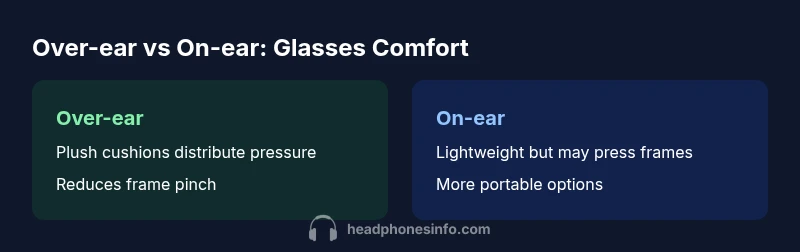
The fundamental difference is how each design distributes weight and clamps around the ear. Over-ear headphones tend to push pressure away from the glasses by surrounding the ear and dispersing force through a larger contact area. This reduces the direct pinch on temple arms and often improves fit for glasses wearers. On-ear headphones, with smaller cups, can increase contact with glasses if the headband is not adequately adjusted. However, some on-ear models with very soft padding and minimal clamping can still be comfortable for certain frame styles. The choice often comes down to frame geometry and parental differences in head size. A well-fitted over-ear set can offer both comfort and strong passive noise isolation, which is beneficial during long listening sessions with glasses.
Glasses frames and styles: frame geometry affects comfort
Not all frames interact the same way with headphones. Thick or wraparound temples may press more against the interior of the ear, especially on models with tight clamps. Metal frames with rigid hinges can create sharp contact points where padding would otherwise cushion. For nose bridge comfort, consider frames with soft, adjustable nose pads and temple tips that do not protrude into the ear cup area. If you wear large or heavy frames, you might benefit from headphones with a wider targeting area on the ear cups and a headband that distributes weight evenly. Some users report better experiences with frames that have rounded temple tips and smoother edging, which glide more easily under the padding. A careful balance between frame shape and headset geometry will reduce headphones and glasses hurt.
Practical setup tips to reduce discomfort during long listening sessions
To minimize discomfort, begin with a respectful baseline: set the headband to barely contact the top of the head, then adjust the ear cups so they align with the ears. Position glasses so temple tips rest comfortably behind the ears and away from cushion seams. If the cushions feel too firm, replace with memory-foam or gel-infused padding, which molds to your head and frames over time. Consider using clip-on pad protectors or silicone sleeves to increase surface area and reduce hot spots. For truly long sessions, take short breaks every 60–90 minutes and re-establish a relaxed, even clamp. If you use headphones daily, a brief routine of fit checks and pad maintenance can preserve comfort and reduce the risk of developing painful pressure points.
Materials, padding, and build quality that help with glasses wearers
A combination of padding material and headphone weight distribution determines comfort longevity. Memory-foam cushions provide better contour to the ear and reduce indirect pressure on frames. Leather or synthetic leather can offer a premium feel, but breathability matters for longer wear. Look for models with reinforced headbands and split hinges that allow asymmetric weight distribution. Additionally, consider strap alternatives or semi-open designs if your ears overheat or if the seal interferes with glasses. In practice, the right material choice minimizes friction against glass surfaces and reduces heat accumulation, which is a common source of fatigue for glasses wearers.
Maintenance and care to preserve comfort over time
Pad material breaks down with sweat and oils—regular replacement helps maintain comfort. Wipe down the cups and frames with a gentle cleaner to prevent buildup that can cause slipping or itching. When padding becomes compressed, replace it or re-pad with compatible aftermarket cushions. Check the headband for wear at the joints; a worn hinge increases micro-movements that can translate to pressure shifts on glasses. Finally, store headphones in a cool, dry place away from direct sunlight to preserve padding elasticity. Routine maintenance not only preserves comfort but also prolongs the life of the device.
Quick-start setup and shopping considerations
If you’re shopping with glasses in mind, start by listing your frame type and preferred wear time. Prioritize models with adjustable clamps, soft memory-foam ear cushions, and a flexible headband. Try to test both over-ear and on-ear designs to determine which distributes weight most evenly across your temple area. Check for adjustable tilt, hinge flexibility, and cushion depth, and consider replacing stock pads with softer, larger options if needed. Finally, track your comfort over several sessions to decide which model sustains comfort for longer periods without causing headaches or temple pressure. This practical approach helps you avoid the common trap of buying a good-sounding headset that hurts after an hour.
Real-world testing scenarios and sample picks
In real-life tests, many glasses wearers report the greatest relief from models that combine a wide clamp with a generous ear cup contact area. For someone wearing thicker frames, an over-ear design with a broad pad surface often yields the best balance between comfort and sound isolation. Individuals with petite head sizes may prefer lighter, more compact headbands and slightly reduced clamp force to avoid temple pressure. Always measure your own setup: hours of listening are the true test.
Final notes on comfort and long-term use
Comfort is dynamic. Your glasses, head shape, and daily activities can all shift how headphones interact with frames over time. Revisit fit periodically as frames wear or pads flatten, and adjust as needed. By focusing on clamp geometry, padding, and headband adjustability, you can reduce headphones and glasses hurt and enjoy longer listening sessions with less fatigue.
Comparison
| Feature | Over-ear headphones | On-ear headphones |
|---|---|---|
| Clamping Force | Typically lower due to larger ear cups | Higher pressure on temples (depends on model) |
| Glasses Comfort | Often more forgiving for temples | Can press frames if pads are narrow |
| Weight distribution | Weight distributed around ear and head | Concentrated pressure on top of ears if poorly adjusted |
| Sound isolation | Excellent in many models with large cups | Varies; open-back options exist but may leak sound |
| Best for | Long sessions with glasses; flexibility in pad choice | Casual use; compact form factor works with lighter frames |
Upsides
- Greater overall comfort for many glasses wearers due to relaxed clamp
- Easier to customize fit with adjustable headbands and cushions
- Usually better seal and passive noise isolation with plush padding
- Widely available across price ranges and styles
Disadvantages
- Can be bulkier and heavier, impacting comfort during travel
- Some models still press on frames depending on frame shape and pad design
- Tends to be more expensive for premium padding and materials
- Open-back variants may reduce isolation and bass
Over-ear headphones generally offer the best balance of comfort for glasses wearers.
Choose over-ear if you prioritize comfort and seal. If you need portability, select lightweight on-ear models with gentle clamps and soft cushions.
People Also Ask
Do glasses always cause discomfort with headphones?
Not always, but glasses can introduce pressure points where frames meet cushions. Choosing a design with softer padding, a gentler clamp, and adjustable headband often reduces discomfort and helps prevent headaches.
Glasses can create pressure points with some headphones, but a plush cushion and adjustable clamp usually fixes most issues.
Which headphone type is best for glasses wearers?
Over-ear headphones with memory-foam padding and an adjustable headband are typically the most forgiving for glasses wearers. Avoid tight-on-ear designs if your frames press on the cushions.
Over-ear with soft padding is usually best for glasses wearers.
What adjustments reduce pressure on frames?
Loosen the headband, rotate the cups, and tilt them to align cushions with the sides of your head rather than the glasses arms. Reposition glasses slightly if needed and consider pad replacements for a better fit.
Loosen the band, adjust cup angle, and consider new pads.
Are wireless models better for comfort with glasses?
Wireless models reduce cable weight and tug but don’t inherently improve pressure. Comfort still depends on clamp force, pad design, and headband adjustability.
Wireless helps reduce tug, but fit and padding still matter most.
Should I wear glasses over or under headphones?
Wearing glasses over the headband can reduce friction against the cushion, but it may alter fit. Try both configurations with a test pair and choose the one that minimizes pressure.
Try both setups and pick the one that feels best.
How often should I replace ear pads for comfort?
Replace worn pads when you notice loss of cushion, increased heat, or new pressure points. Fresh memory-foam or gel cushions often restore comfort after several months of use.
Replace pads when they wear out to keep comfort high.
What to Remember
- Prioritize plush padding and wide clamps for glasses wearers
- Over-ear designs tend to distribute weight better and reduce pinching
- Always test fit with your actual glasses during shopping
- Consider pad upgrades if stock cushions cause discomfort
- Regularly maintain pads and headband to preserve comfort