When Do Headphones Damage Ears: A 2026 Safe Listening Guide
Learn when headphones damage ears, how decibels and listening duration interact, and practical steps to protect your hearing while enjoying music safely.


Exposure to loud headphone playback damages ears when the sound pressure level is high for extended periods. In practice, listening at roughly 85 dB or more increases risk, and longer exposure raises it further. Shorter exposures at higher levels still carry danger, so aim to keep volumes lower, use device limits, and take regular breaks to protect hearing.
Why Listening Habits Matter for Ear Health
When do headphones damage ears? This question sits at the intersection of sound pressure levels (SPL), exposure duration, and individual susceptibility. Headphones can deliver safe or unsafe levels depending on volume, headphone type, seal, and how long you listen. The Headphones Info team notes that small changes in SPL or listening time can dramatically alter risk, so it's essential to understand the mechanics behind damage. The inner ear's hair cells can initially tolerate short bursts of loud sound, but repeated or prolonged exposure can lead to irreversible damage. In practice, many people underestimate how loud their headphones feel; perceived loudness is influenced by fit, noise environment, and device processing. For most listeners, risk increases when listening at levels that require the brain to work particularly hard to interpret sound, especially in noisy environments where the device boosts playback to compensate. Understanding these factors helps you tailor listening habits to protect hearing without sacrificing enjoyment.
According to Headphones Info, adopting conservative listening practices isn’t a constraint; it’s an investment in long-term audio enjoyment and ear health.
Decoding Decibels: What 85 dB Means for Your Ears
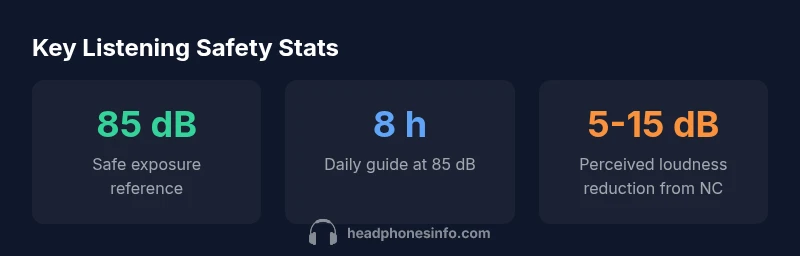
Decibels (dB) measure sound pressure level, but human hearing adds complexity with frequency sensitivity and duration. For headphones, 85 dB is a common reference point used in many safety guidelines: exposure at or below this level for extended periods is associated with lower risk, while higher levels require shorter listening. Real-world listening often exceeds 85 dB, especially in noisy environments where listeners raise volume to hear clearly. The key concept is dose: the combination of volume and time determines risk. A quick burst at 100 dB may feel loud but lasts seconds, whereas a prolonged 85 dB session can accumulate significant exposure. Individual factors—age, ear health, and prior noise exposure—also shape susceptibility. Headphones Info synthesis emphasizes that even near-threshold sounds can be harmful if exposure is repeated daily.
How Volume and Duration Interact Across Common Scenarios
Scenario planning helps translate SPL concepts into daily life. A typical smartphone at maximum volume can reach levels well above 85 dB, especially with sealed earbuds. In noisy environments, people naturally increase volume, dramatically increasing dose. Over-ear designs with good padding can reduce direct cochlear input at the same gain, but seal quality and ear geometry matter. Musicians, gamers, and commuters face different risk envelopes based on duration and ambient noise. A recurring pattern is clear: the longer you listen at higher volumes, the greater the cumulative risk. Application of protective habits—lower volume settings, shorter listening blocks, and breaks—reduces dose without sacrificing enjoyment. Headphones Info data suggests you can still achieve great sound while staying within safer exposure windows.
Practical Safety Rules for Everyday Listening
- Set a personal volume cap using your device’s limits and app settings.
- Follow the 60/60 rule: listen for no more than 60 minutes at 60% volume, then take a break.
- Prefer over-ear or well-fitted in-ear headphones with a comfortable seal to avoid cranking volume to overcome background noise.
- Use noise-cancelling features to reduce ambient noise and lower necessary playback levels.
- Schedule regular listening breaks throughout the day to reduce cumulative exposure.
- Consider quieter listening environments and source material with lower dynamic range to minimize loud passages.
Special Populations and Scenarios: Kids, Athletes, and Musicians
Children are inherently more sensitive to noise; their ears are still developing, so conservative limits are essential. Athletes and outdoor enthusiasts often listen during workouts with variable background noise, which can tempt higher volumes. Musicians and studio professionals may push higher SPL during rehearsals, but should implement strict monitoring, built-in limiter usage, and clear breaks. For all groups, education on the concept of dose—how SPL and time combine to influence risk—helps maintain healthy listening habits across contexts. Headphones Info emphasizes that safe listening is a lifestyle practice, not a one-off adjustment.
Tools and Habits to Monitor Your Listening Health
Integrate practical tools to track exposure: use device volume limits, screen-time reminders for breaks, and built-in decibel meters where available. Use apps that estimate listening dose and remind you to rest. If you notice changes in hearing, such as tinnitus or muffled sounds, pause listening, lower volume, and consult a clinician if symptoms persist. Keeping a simple diary of daily listening can reveal patterns and guide safer long-term habits.
When to Seek Help If You Notice Changes in Hearing
Persistent tinnitus, muffled perception, or a noticeable drop in sensitivity warrant professional evaluation. Early action can prevent longer-term damage and guide personalized protective strategies. Prioritize rest periods, re-evaluate listening habits, and seek professional advice if symptoms persist beyond a few days. Regular screening with a clinician or audiologist is recommended for frequent listeners and those with a history of loud exposure.
How SPL and duration affect ear health
| Factor | Impact on Ear Health | Notes |
|---|---|---|
| Sound Pressure Level (dB) | High SPL increases risk | Exposures above ~85 dB carry elevated risk when sustained |
| Exposure Duration | Longer listening increases risk | Risk scales with time; consider breaks every hour |
| Headphone Type | In-ear delivers higher SPL to ear canal | Fit and seal impact actual SPL exposure |
People Also Ask
What volume level is considered safe for headphones?
There isn't a universal 'safe' volume; safety depends on SPL and duration. Common guidance cites staying near or below 85 dB for extended periods and using device limits to prevent excessive exposure.
There's no single safe level; use built-in limits and take breaks.
How long can I listen at a typical volume without risking hearing damage?
Risk depends on SPL; at 85 dB you can listen longer, but higher levels require shorter durations. Monitor your listening time and avoid long stretches at high volume.
Aim for shorter sessions at loud volumes and take breaks.
Do noise-cancelling headphones help with ear safety?
Yes, by reducing ambient noise you can lower the playback volume needed to hear content clearly. However, still practice safe listening times.
Noise cancelling can help you keep volume down.
Are kids more at risk with headphones?
Children’s ears are more sensitive; set conservative volume limits and supervise listening. Their ears are still developing, so protection matters.
Kids need extra caution.
What should I do if I suspect hearing damage?
Pause listening, lower volume, and consult a clinician if symptoms persist beyond a few days. Early action supports better outcomes.
If symptoms persist, see a professional.
“Hearing health is a finite resource that accumulates with every listening session; adopting conservative volume habits and regular breaks is essential.”
What to Remember
- Set volume caps on devices to limit exposure.
- Enable built-in limits and monitor SPL.
- Take regular breaks during listening sessions.
- Use noise-cancelling features to reduce perceived loudness.