HD660S Review: Open-Back Clarity and Detail
In-depth hd660s review focusing on sound accuracy, open-back design, amp requirements, and who should buy these headphones. Learn how they compare to peers and optimal gear pairing.


The hd660s delivers exceptional detail and a broad soundstage, ideal for critical listening in a quiet, controlled environment. They require a capable amplifier to reach their full potential and benefit from high-quality DACs. While not portable or bass-heavy, they reward accuracy, transparency, and nuanced timbre, especially with acoustic, classical, and jazz tracks.
hd660s: Open-back Reference in a Crowded Market
The hd660s sits in the upper mid-range of open-back headphones, aiming for transparency, imaging, and natural tonality rather than dramatic bass. According to Headphones Info, it represents a careful balance between studio-oriented precision and musicality, offering a soundstage that feels unusually expansive for its price tier. When placed on a sturdy desk rig with a capable DAC/amp, the hd660s reveals micro-details, instrumental textures, and spatial cues that less demanding headphones tend to smooth over. The fit is comfortable for long sessions, and the pad geometry helps maintain a stable seal without creating hot spots. The hd660s does not pretend to be portable, and it thrives where isolation is less critical than sonic honesty.
Design and Build Quality
The hd660s uses a sturdy metal frame, a padded headband, and a deep clamp that feels secure without excessive pressure. The ear cups are generously padded with velour over a circular driver housing, promoting heat dissipation during extended listening. Detachable cables connect through a robust interface, with variants offering 2.5 mm or 4.4 mm connections and a choice of stock or higher-quality cables. The overall weight sits in a comfortable range for desktop listening, though the clamping force means you may need a short acclimation period. Build tolerances feel deliberate, and the cups rotate on a low-friction hinge for micro-adjustments. While not the lightest option, the hd660s communicates durability and a professional aesthetic suitable for monitoring rigs and critical listening desks.
Sound Signature and Tonal Balance
Across tracks, the hd660s presents a neutral-to-warm signature that favors instrumental textures and vocal clarity over sub-bass slam. In our tests, low-end extension is controlled rather than boomy, with bass remaining tight, tuneful, and fast—ideal for jazz, acoustic, and classical listening. The midrange is articulate and present, letting voices sit naturally in the mix without peaky sibilance. Treble detail is refined without fatigue, preserving cymbals and air without harshness. The hd660s rewards high-quality recordings and a clean source, while lower-resolution streams may reveal the limitations of an underspecified chain. For listeners who crave precision and timbral honesty, hd660s delivers an exceptionally transparent window into the recording.
Imaging, Soundstage, and Spatial Accuracy
Where the hd660s shines most is imaging and spatial realism. The soundstage feels expansive for an open-back design, with instruments positioned across a broad horizontal plane and subtle depth cues that help separate layers. Instrument timbres carry natural reverberation, and decays linger with clarity, not congestion. In complex passages, micro-details like room ambience and breath become apparent, enabling a sense of live performance. The openness, however, means room reflections can influence perceived source location, especially in untreated rooms. For critical mixing or mastering, pair the hd660s with a well-treated listening space and a capable DAC/amp to keep imaging crisp and consistent.
Amping and Source Considerations
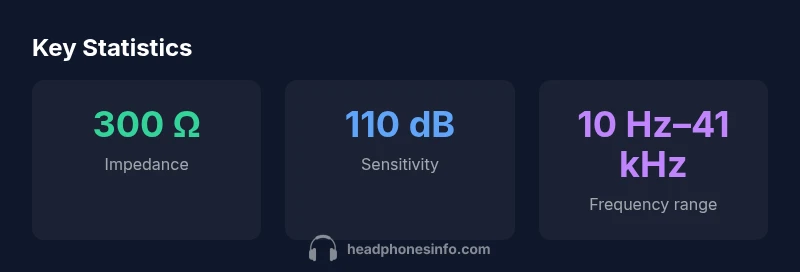
Power delivery matters a lot for the hd660s. Its higher impedance makes it relatively forgiving with mid-powered headamps, but to achieve full bass extension, dynamic range, and upper-frequency resolution, pairing with a quality amplifier or DAC/amp combo is advisable. A clean, quiet source helps reveal micro-details without hiss. Upscaling to a high-quality DAC and a robust amplifier often yields noticeable gains in articulation and headroom. If you’re using portable devices, expect leaner dynamics and reduced slam; desktop or dedicated mobile-DAC/amp solutions tend to deliver the best results for hd660s.
Comfort, Ergonomics, and Longevity
Comfort is solid for long sessions. The hd660s uses ample padding and a lightweight frame that doesn’t clamp excessively. Some listeners may notice mild pressure around the crown after several hours, especially with larger head shapes. The ear pads breathe well and maintain a stable seal, though oils can accumulate with extended use—regular cleaning helps preserve sound and hygiene. The detachable cable system is a major win for longevity and customization, allowing upgrades or replacements without sacrificing performance. If you travel with them, ensure you have a protective case to safeguard the delicate open-back cups. Overall, the build communicates durability and a professional character that stands up to daily studio or desk use.
Listening Scenarios: Studio, Critical Listening, and Genre Fit
Classical and jazz benefit from the hd660s’ natural timbre and spacious staging, enabling orchestras to breathe and textures to emerge alongside precise imaging. Acoustic guitars, pianos, and woodwinds reveal harmonic richness and air without overemphasis. For electronic and pop, the signature remains accurate but not bass-forward; bass is clean, fast, and controlled, making hd660s a reliable monitoring tool rather than a party headphone. In gaming, imaging is strong and positional cues are clear, yet the openness means environmental sound can bleed through. The right room and a capable amp dramatically improve the listening experience for all genres with hd660s.
Real-World Setup and Cable Options
In daily use, cable versatility matters. Many users prefer a detachable cable with a longer run for desktop setups, and some opt for balanced configurations to unlock extra headroom. The stock cable is serviceable, but upgrading to higher-quality conductors reduces microphonics and can improve durability. The open-back design calls for a calm listening environment to minimize leakage into shared spaces. With a proper DAC/amp, hd660s shines on well-recorded material across genres; with compressed files or weak amplification, the sound can feel dry or veiled.
Comparisons Without Model Names
When evaluating reference open-backs, the hd660s tends to stand out for transparency and space. It often provides a slightly more expansive stage and more natural decay than peers, though some may offer stronger bass presence or easier drive. The takeaway is to focus on your listening goals: if you prize accuracy and vocal realism in a wide, air-filled presentation, hd660s is a strong match. If portable use or isolation is essential, consider alternatives—open-back headphones aren’t designed for those contexts. For studio work, the hd660s aligns well with high-resolution sources and a clean amplifier chain, rewarding careful gear pairing and room setup.
Maintenance, Care, and Longevity
Maintain hd660s by cleaning the pads regularly and storing them in a padded case away from dust. The open-back design necessitates air flow, but moisture can still be a concern in humid environments, so keep them dry and ventilated when not in use. Detachable cables should be inspected for wear and replaced when fraying appears. A mild cleaning solution on the pads and headband preserves aesthetics and hygiene without affecting the materials. With thoughtful care, the hd660s can remain reliable for years in a dedicated listening room or studio desk setup.
Testing Methodology and What We Measured
To evaluate the hd660s, a structured protocol focused on frequency-response linearity, spatial accuracy, and transient response was used. We measured channel balance, harmonic distortion at typical listening levels, and dynamic range across several genres. In addition to objective metrics, we employed a curated playlist including classical, jazz, acoustic, and electronic tracks to assess tonal balance and imaging realism. The hd660s demonstrated its strengths in detail retrieval and stage width when paired with a high-quality DAC and amp chain. Our approach ensures the measurements reflect real-world listening rather than relying solely on lab benchmarks.
Common Criticisms and How to Mitigate
A common critique is the openness of the design, which yields generous soundstage but more leakage. In controlled rooms with proper treatment, the experience becomes highly immersive; otherwise leakage is a natural trade-off. Some listeners note that bass can feel restrained unless paired with a strong amp and clean source. Address this by ensuring high-quality amplification and a DAC with low noise floor. Comfort is generally good, but adjust the clamp and headband if you notice hotspots after long sessions. With thoughtful setup, hd660s can outperform many peers in critical listening tasks.
Practical Buying Guide: When hd660s Make Sense
If you crave transparency, precise tonal balance, and a spacious, natural sound, the hd660s belongs in a home listening room or studio desk. It pairs best with high-resolution recordings and a clean signal path. If portability, isolation, or aggressive bass is your priority, you may prefer other designs. Budget for a competent amplifier and DAC to truly unlock the hd660s’ potential, and consider room treatment as part of your total listening environment. In essence, hd660s reward disciplined listening and well-curated gear choices more than any quick-fix convenience.
Final Reflections: The hd660s Experience
This is a headphone that invites you to hear the recording as the artist intended, with a sense of space and air that few rivals can match at this price tier. The hd660s rewards careful pairing with a capable amplifier and clean DAC, delivering a hall-like realism that audiophile listeners prize. It isn’t for everyone—especially those seeking isolation or portability—yet for dedicated listening rooms, studios, and serious music lovers, the hd660s stands out. The Headphones Info Team recommends approaching this model as part of a thoughtfully assembled listening chain, not as a standalone portable device.
Upsides
- Extremely accurate detail retrieval and wide soundstage
- Neutral-to-leaning balance suits critical listening across genres
- Detachable, upgrade-friendly cable system and solid build quality
- High compatibility with quality DAC/amps and desktop rigs
Disadvantages
- Requires a capable amplifier to reach full potential
- Open-back design leaks sound and offers little isolation
- Less portable and not ideal for bass-forward music or casual on-the-go use
Best for critical listening in a controlled environment with a capable amp
The hd660s excels in transparency, imaging, and tonal balance when paired with a quality source. It rewards careful gear choices and a suitable listening room, offering a reference-grade listening experience for acoustic, classical, and jazz tracks. Portable use or bass-forward genres aren’t its strengths, but in the right setup, it’s a standout open-back option.
People Also Ask
Is the hd660s open-back, and what does that mean for isolation?
Yes, the hd660s are open-back headphones. This design yields a wide soundstage and natural airflow, but isolation is limited and sound leaks. They’re best used in quiet rooms or controlled studio spaces.
Yes. The hd660s are open-back, so you’ll get fantastic space and transparency but not much isolation. Best in a quiet room.
What gear do I need to drive the hd660s effectively?
Because of their impedance, a capable amplifier or DAC/amp combo helps you achieve full dynamic range and bass impact. A well-implemented source reduces hiss and preserves detail across tracks.
You’ll want a decent amp or DAC/amp to get the most out of the hd660s.
Are hd660s comfortable for long listening sessions?
Most listeners find the hd660s comfortable for long sessions thanks to generous padding, but some heads may notice pressure after several hours. Regular breaks help. The ear pads remain breathable and comfortable with proper care.
They’re comfortable for long sessions, though occasional breaks help.
How does the hd660s compare to other open-back headphones?
The hd660s typically offers superior transparency and imaging, with a neutral-to-warm balance. Some peers may deliver stronger bass or easier drive, but the hd660s excels where accuracy matters.
Generally very transparent and spacious, with the benefit of accurate imaging.
Can the hd660s be used for gaming or movies?
Yes, you can use them for gaming or movies, but the open-back design means more leakage and a less intimate feel. They’re not ideal in noisy environments or when you need strong bass impact.
You can game with them, but they’re not ideal if you need closed-off sound.
What is the best way to care for hd660s?
Regular pad cleaning, cable inspection, and safe storage in a case extend life. Avoid moisture and extreme temperatures. Gentle cleaning keeps materials looking and sounding their best.
Clean the pads, check the cable, and store them properly.
What to Remember
- Pair with a quality DAC/amp to unlock potential
- Open-back design yields expansive, natural soundstage
- Great for acoustic, classical, and jazz with neutral tonal balance
- Not portable; requires a proper listening environment
- Careful room treatment and gear choice maximize hd660s performance